
Curated collection
Low-Noise ASIC Miners for Home Deployment
Miners rated at 55 dB or below — approximately the noise level of a dishwasher. Practical for home offices, garages, and residential deployments where a 75 dB data-center miner is simply unviable.


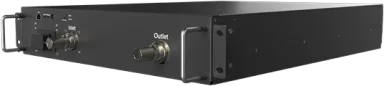
Antminer S23e Hyd 2U (865Th)
Bitmain
Antminer S21e XP Hyd 3U(860Th)
Bitmain

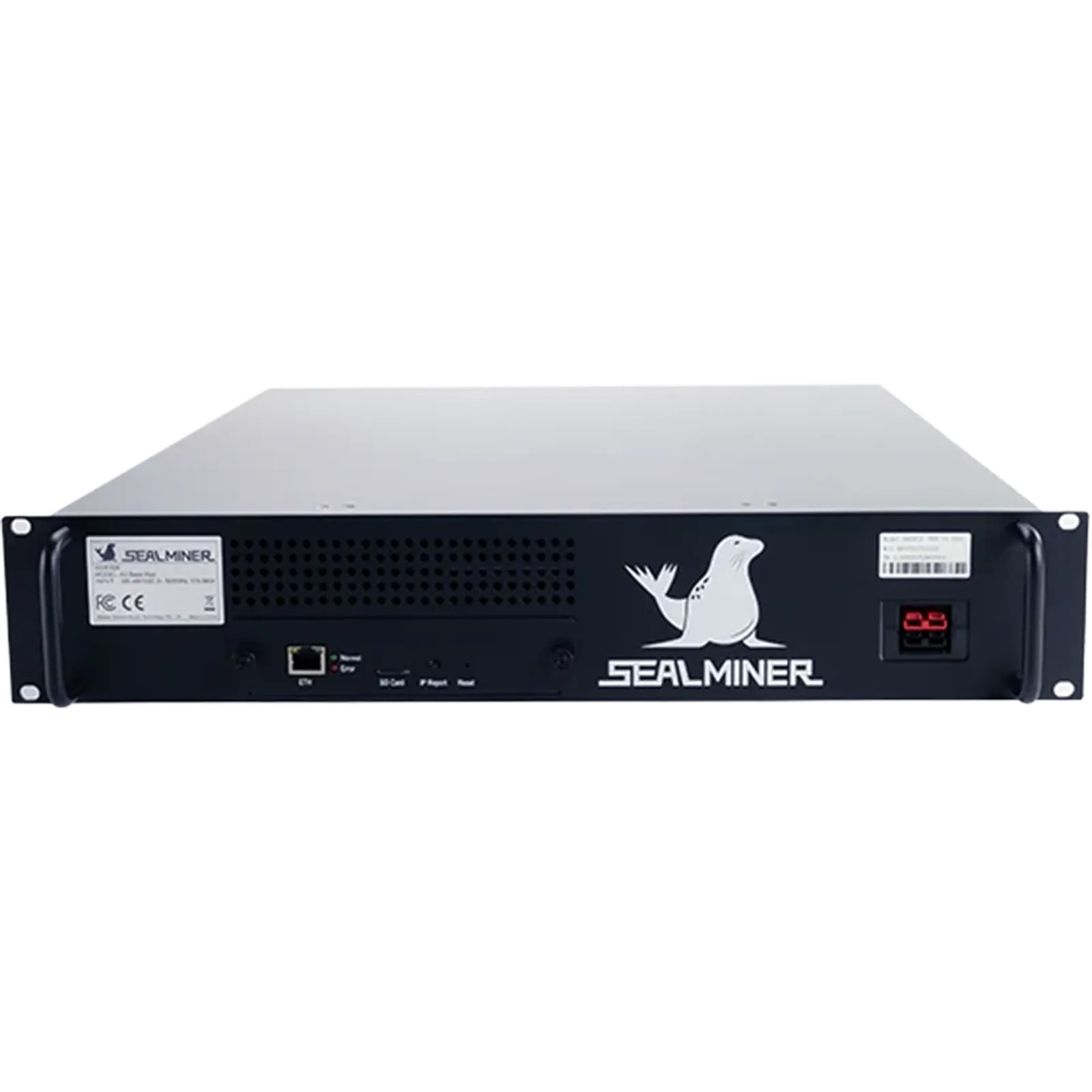
Sealminer A3 Pro Hydro (660Th)
Bitdeer

Antminer S23 Hyd (580Th)
Bitmain
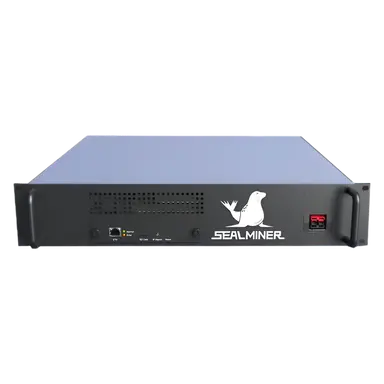
Sealminer A2 Pro Hyd (500Th)
Bitdeer
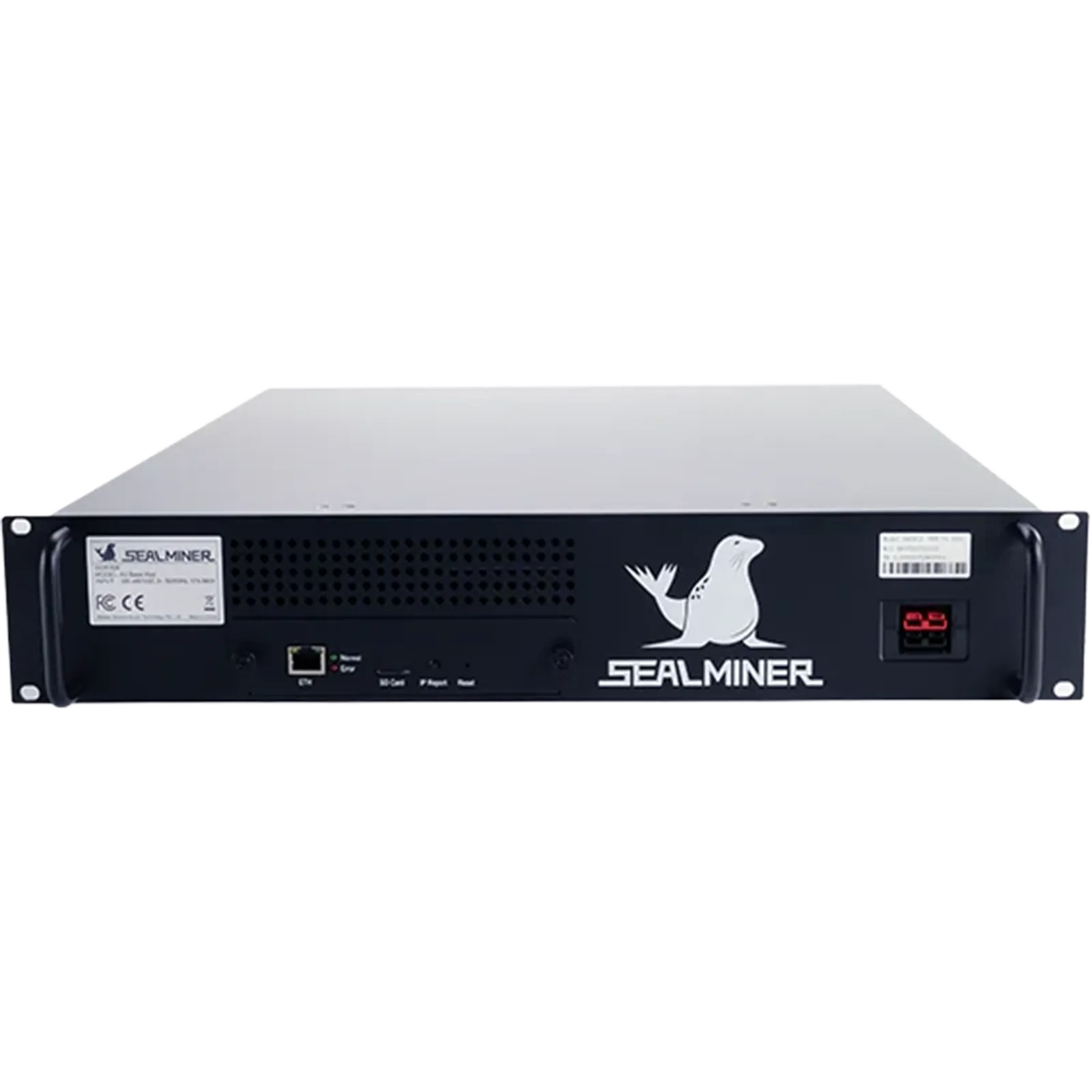
Sealminer A3 Hydro (500Th)
Bitdeer
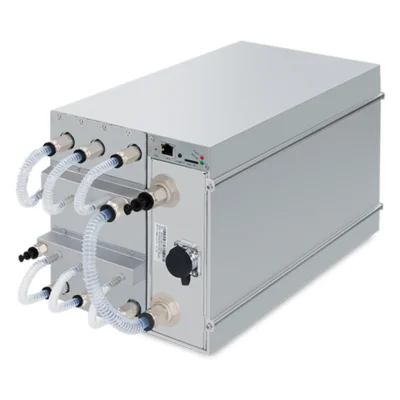
Antminer S21 XP+ HYD (480Th)
Bitmain


Avalon A1566HA (480Th)
Canaan

Whatsminer M63S++ (478Th)
MicroBT


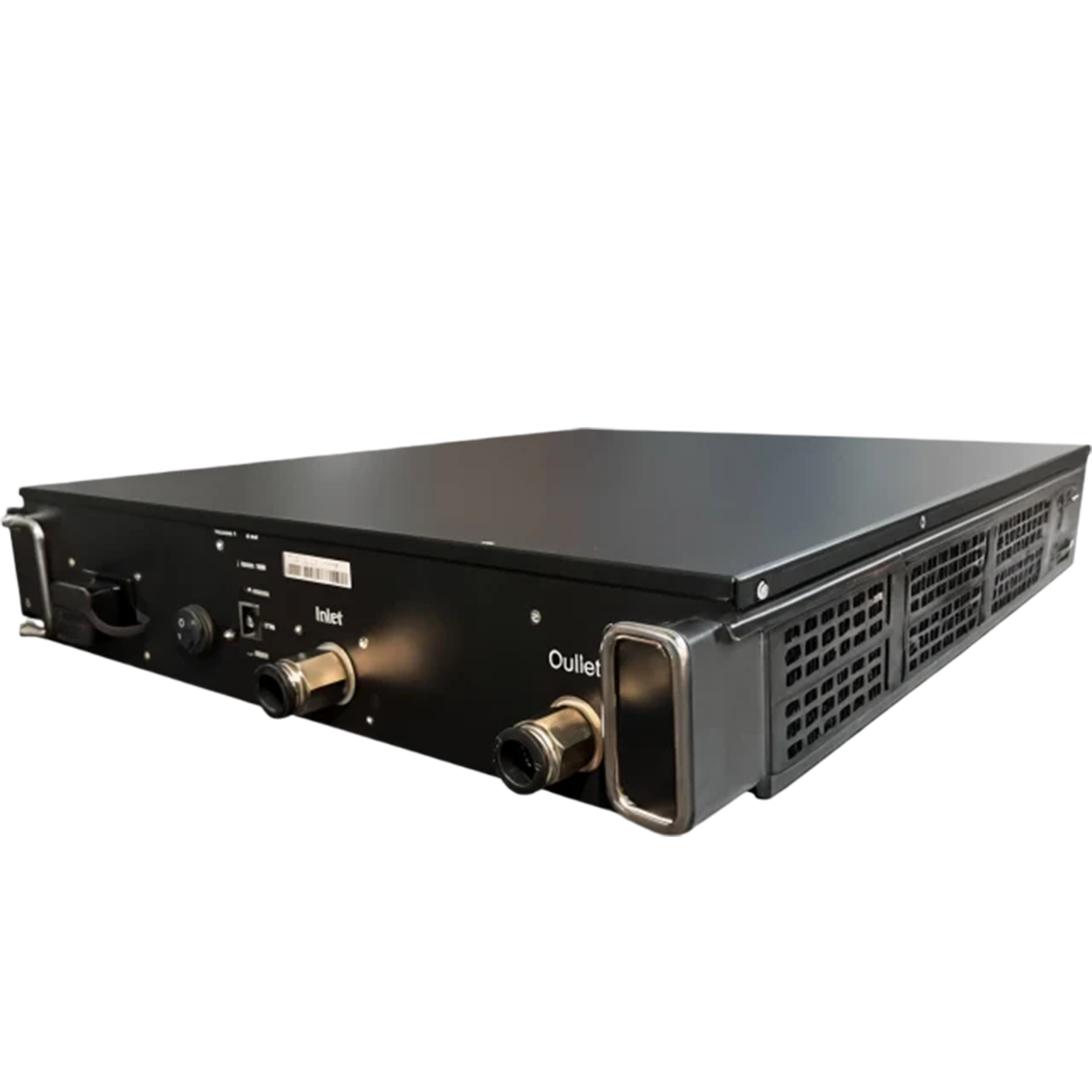
Antminer L11 Hyd 2U (35Gh)
Bitmain
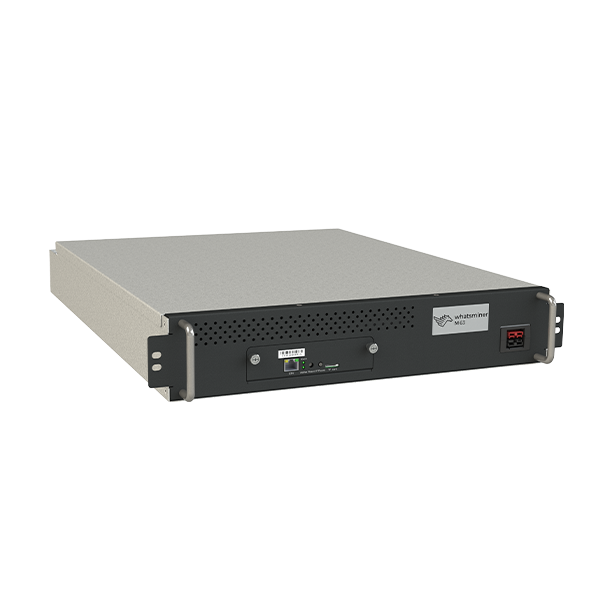
Whatsminer M63 (372Th)
MicroBT
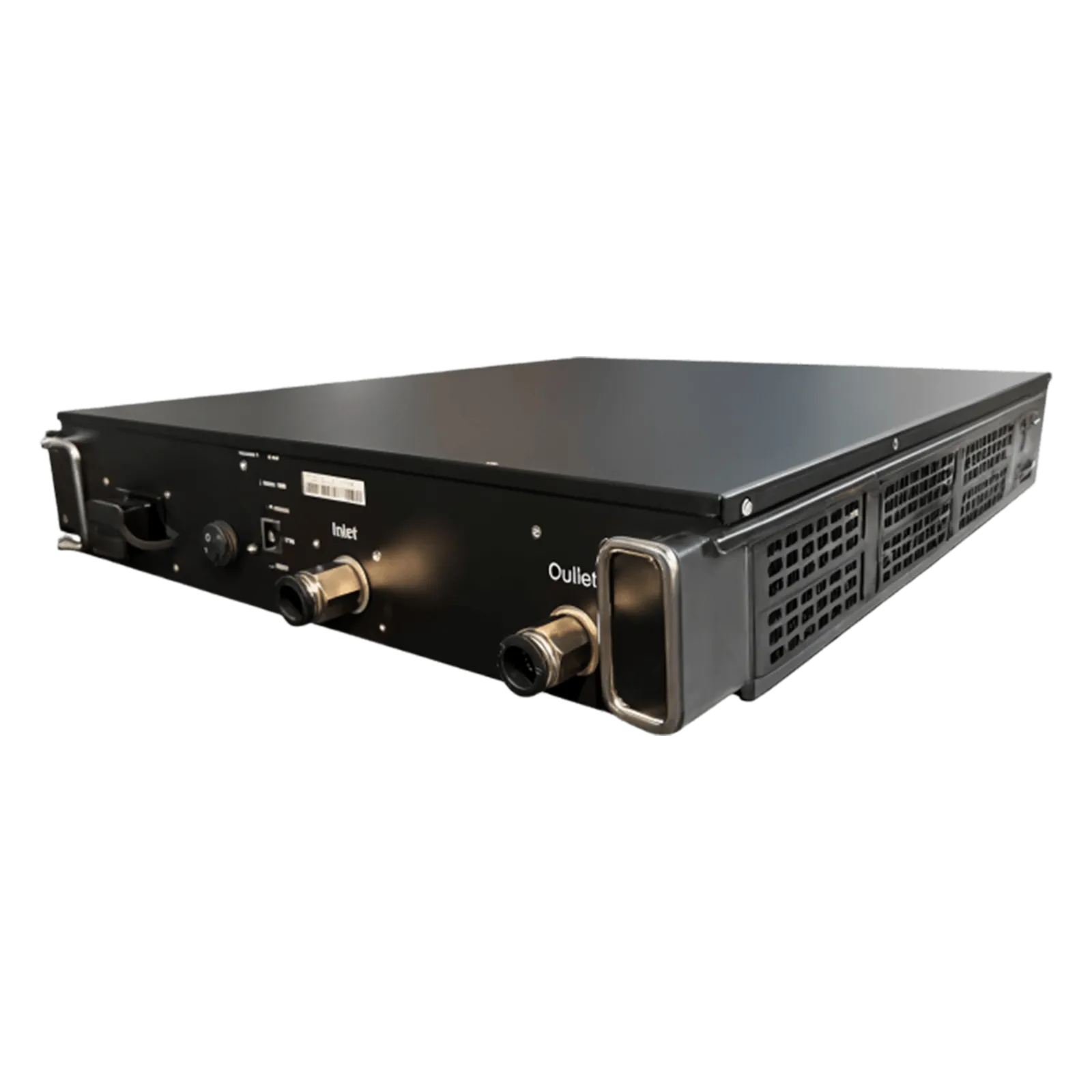
Antminer L9 Hyd 2U (27Gh)
Bitmain
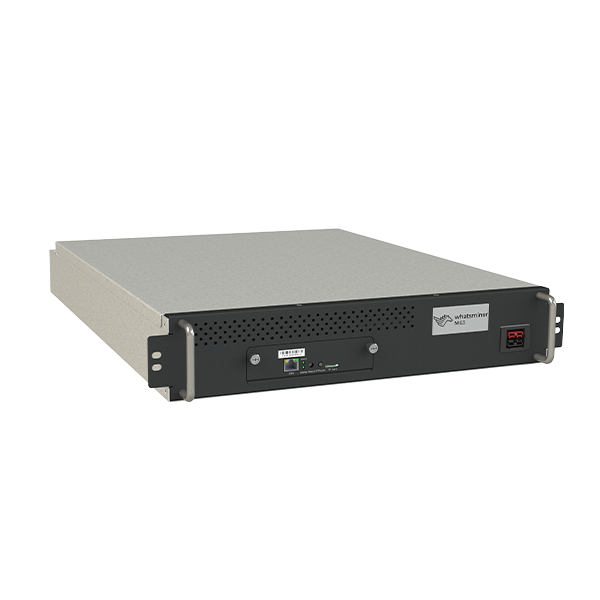
Whatsminer M63 (334Th)
MicroBT
Whatsminer M63 (334Th)
MicroBT
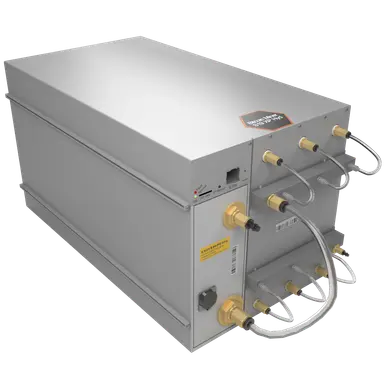
Antminer S21e Hyd (332Th)
Bitmain
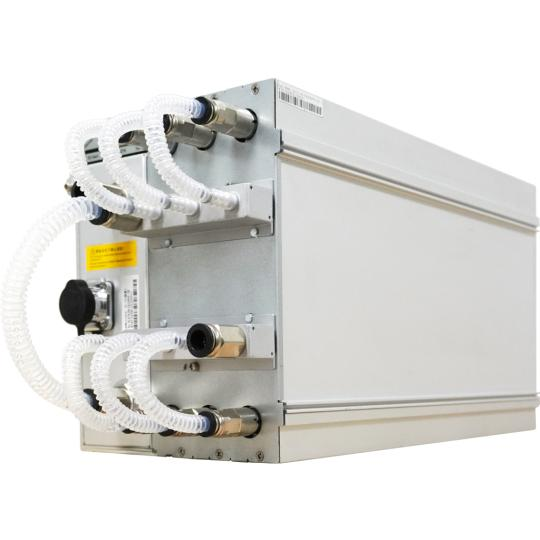
Antminer S21e Hyd (310Th)
Bitmain
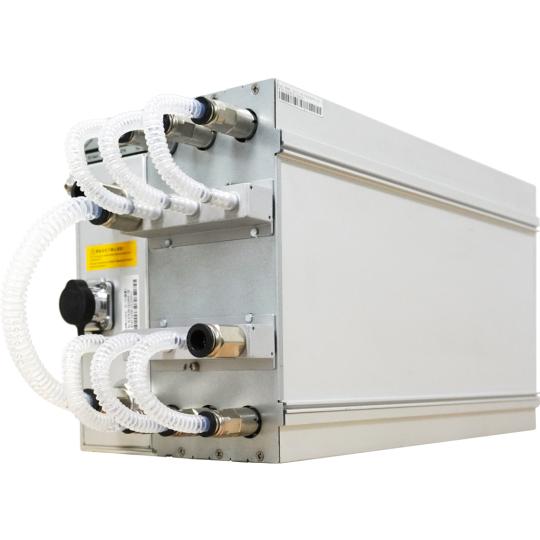
Antminer S19 XP+ Hyd (293Th)
Bitmain
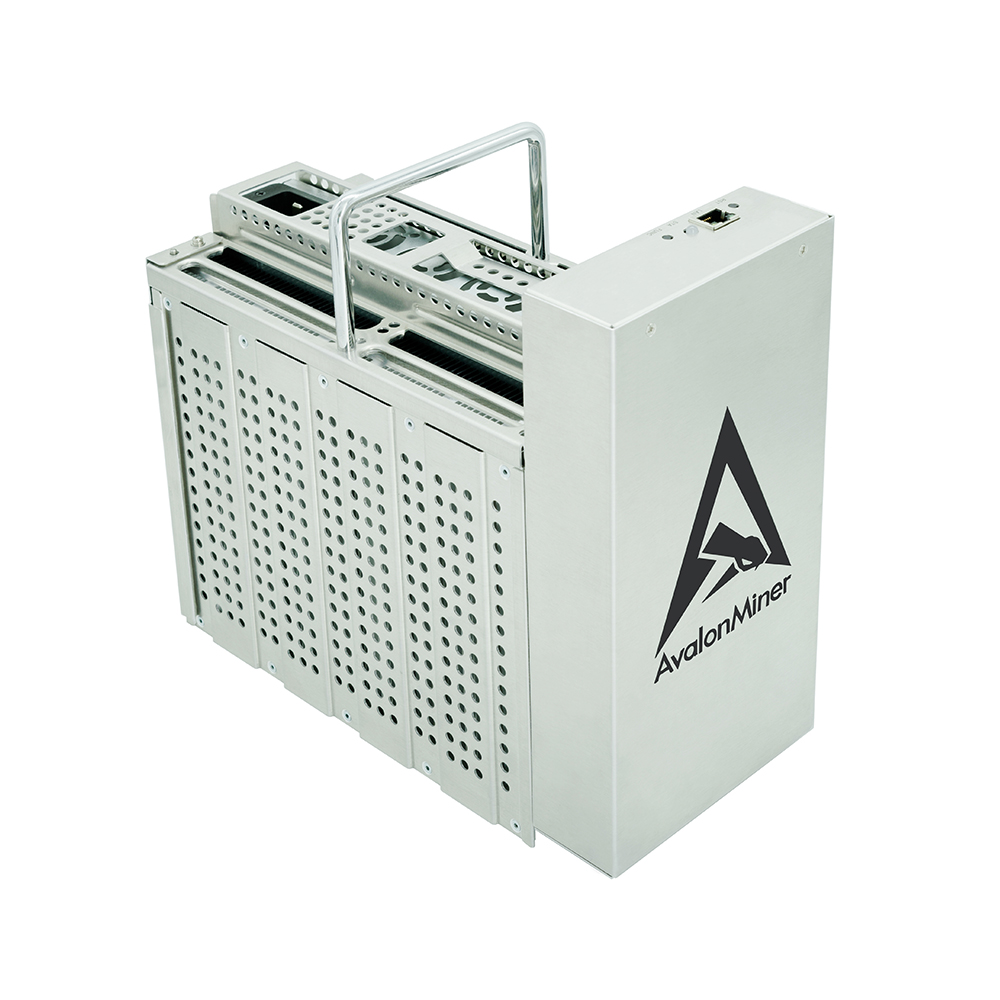
Avalon A1566I (267Th)
Canaan
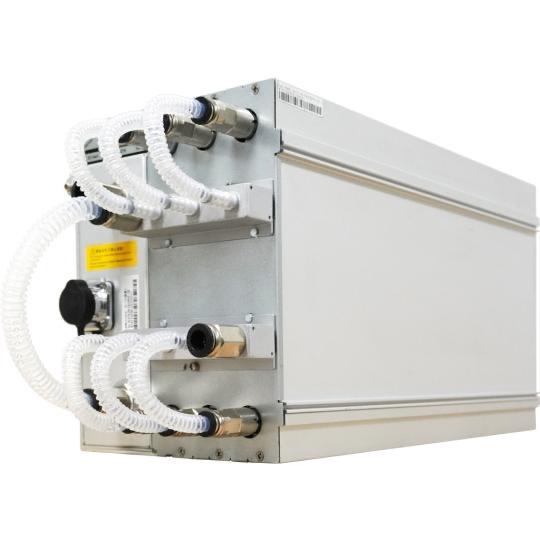
Antminer S19 XP+ Hyd (266Th)
Bitmain
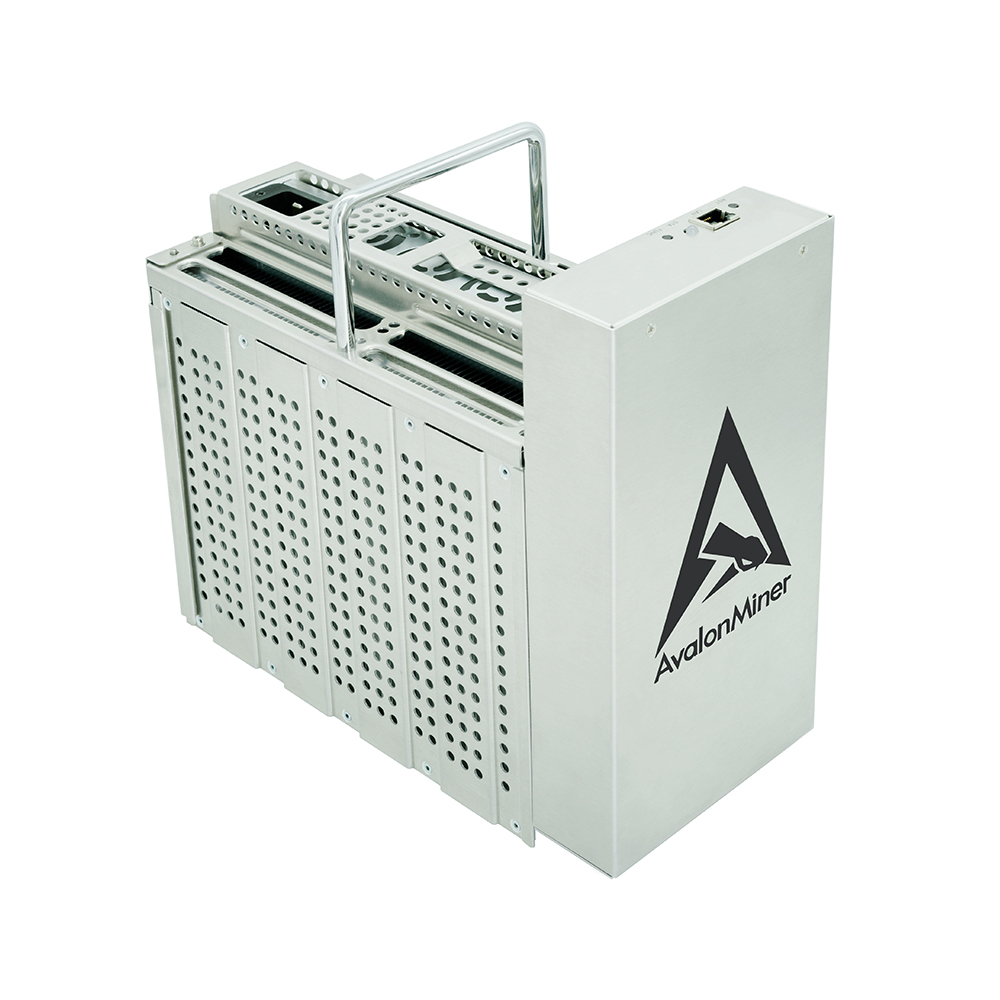
Avalon A1566I (255Th)
Canaan
Antminer S19 XP+ Hyd (252Th)
Bitmain
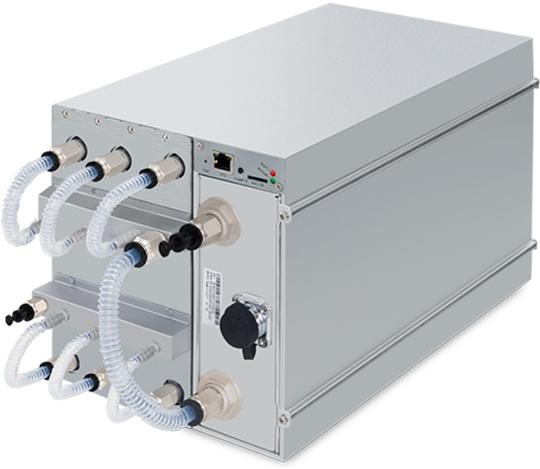
Antminer S19e XP Hyd (251Th)
Bitmain
Antminer S19e XP Hyd (240Th)
Bitmain
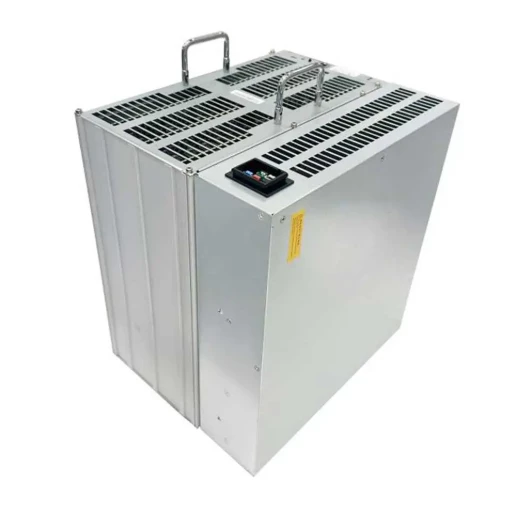
Antminer S21 Immersion (239Th)
Bitmain
Frequently Asked Questions
How loud is 55 dB really?
About the volume of a modern dishwasher, a quiet office, or a library conversation. Loud enough to notice in a bedroom at night, quiet enough not to bother a home office during the day.
Why aren't all miners this quiet?
Most high-hashrate miners use high-RPM fans to move enough air through their ASIC chips to keep temperatures safe. Low-noise units either have lower hashrate, hydro cooling, or specialized fan/heat-sink designs.
Can I run a home-miner 24/7 without issues?
Yes, with adequate ventilation and a dedicated circuit. Check the product page's power and voltage requirements — most low-noise miners run on standard residential 220 V, but a few still require 240 V or 208 V to hit their rated hashrate.