

Bitmain
IN STOCKAntminer Z15 Pro (860Kh)
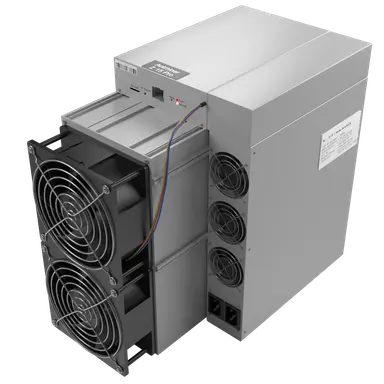

Every miner listed here is capable of mining Zcash on the appropriate algorithm. Sort by daily net profit to find the most profitable Zcash miner at your electricity rate, or filter by brand and stock to narrow the list.
Bitmain
IN STOCKAntminer Z15 Pro (860Kh)
Bitmain
PRE-ORDERAntminer Z15 Pro (860Kh) - Used
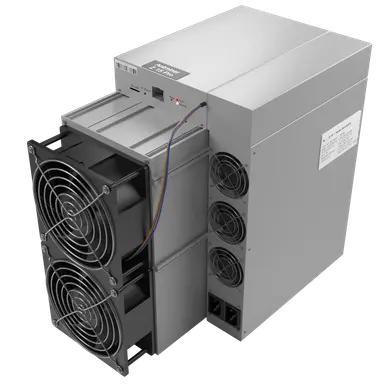
Bitmain
IN STOCKAntminer Z15 Pro (840Kh)
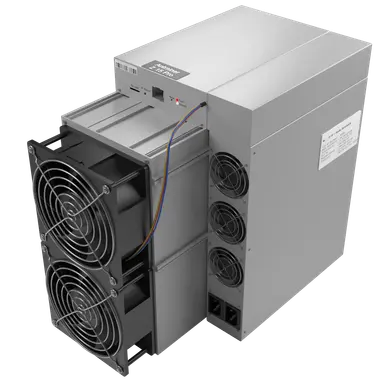
Bitmain
IN STOCKAntminer Z15 Pro (840Kh) - Used
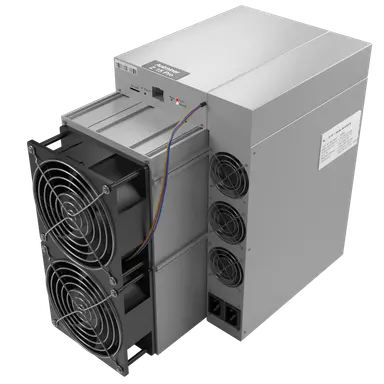
Bitmain
PRE-ORDERAntminer Z15 Pro (820Kh)
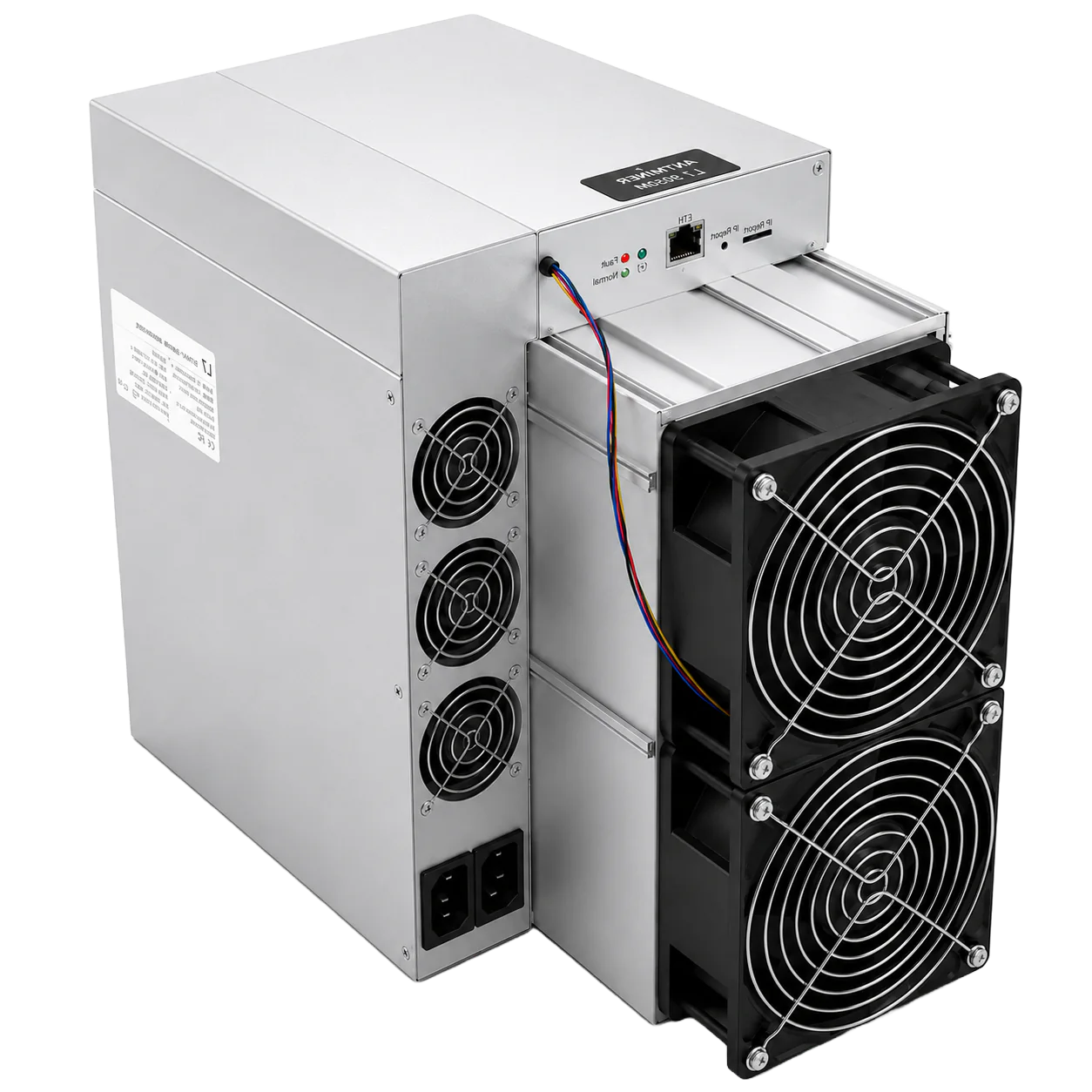
Bitmain
PRE-ORDERAntminer Z15 Pro (820Kh) - Used
Bitmain
PRE-ORDERAntminer Z15 Pro (800Kh)
Bitmain
PRE-ORDERAntminer Z15 Pro (780Kh) - Used
Bitmain
IN STOCKAntminer Z15K
Bitmain
IN STOCKAntminer Z15K
Bitmain
PRE-ORDERAntminer Z15 (420Kh)
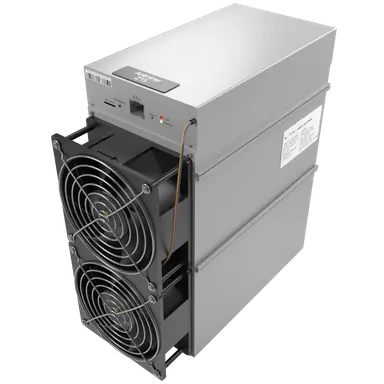
Bitmain
IN STOCKAntminer Z15 (420Kh) - Used
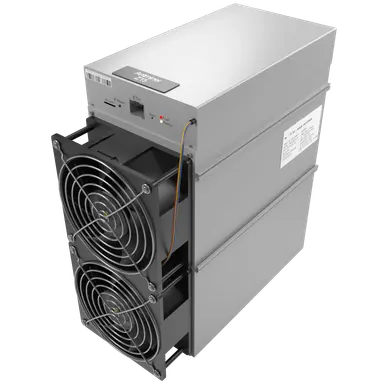
| Model | Hashrate | Power | Efficiency | Price | View Details |
|---|---|---|---|---|---|
| Antminer Z15K | 565 KH/s | 2673 W | 4.73 J/KSol | $8,000 | View Details |
| Antminer Z15K | 525 KH/s | 2483 W | 4.73 J/KSol | $4,600 | View Details |
| Antminer Z11 (135Kh) | 135 KH/S | 1418 W | 10.5 J/SOL | $567 | View Details |
| Antminer Z15 (200Kh) - Used | 200 KH/S | 720 W | 3.6 J/kSOL | $1,262 | View Details |
| Antminer Z15 (320Kh) - Used | 320 KH/S | 1152 W | 3.6 J/kSOL | $1,633 | View Details |
| Antminer Z15 (360Kh) - Used | 360 KH/S | 1296 W | 3.6 J/kSOL | $2,590 | View Details |
The best Zcash miner depends on your electricity rate. The table above sorts every Zcash-capable ASIC by live daily net profit - the top row is currently the most profitable choice given your rate input.
Zcash mining profitability varies with coin price, network difficulty, and your electricity cost. Use the live ranking plus your own electricity rate to see the current net profit for each miner before you buy.
Answer a few questions and our team will help match the right miner, power plan, and deployment path to your goals.