


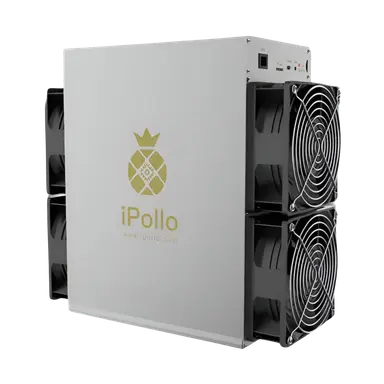
iPollo V2 (15Gh)
iPollo
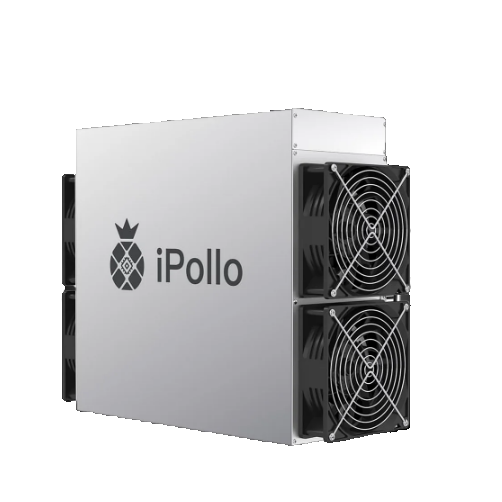
iPollo V2 (10Gh)
iPollo

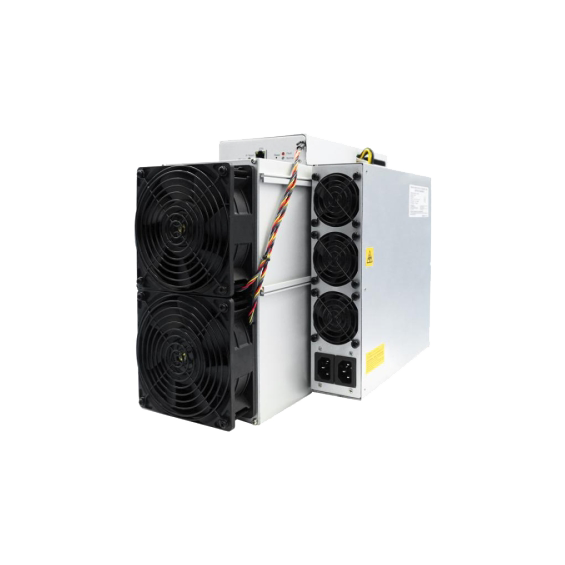
Antminer E11 (9.5Gh)
Bitmain
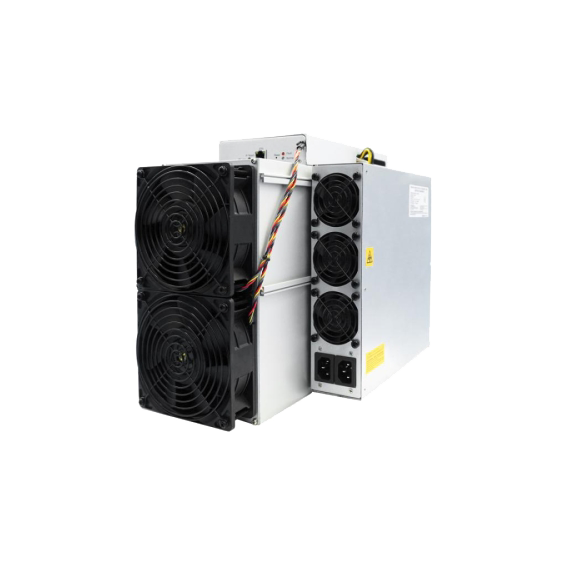
Antminer E11 (9Gh)
Bitmain
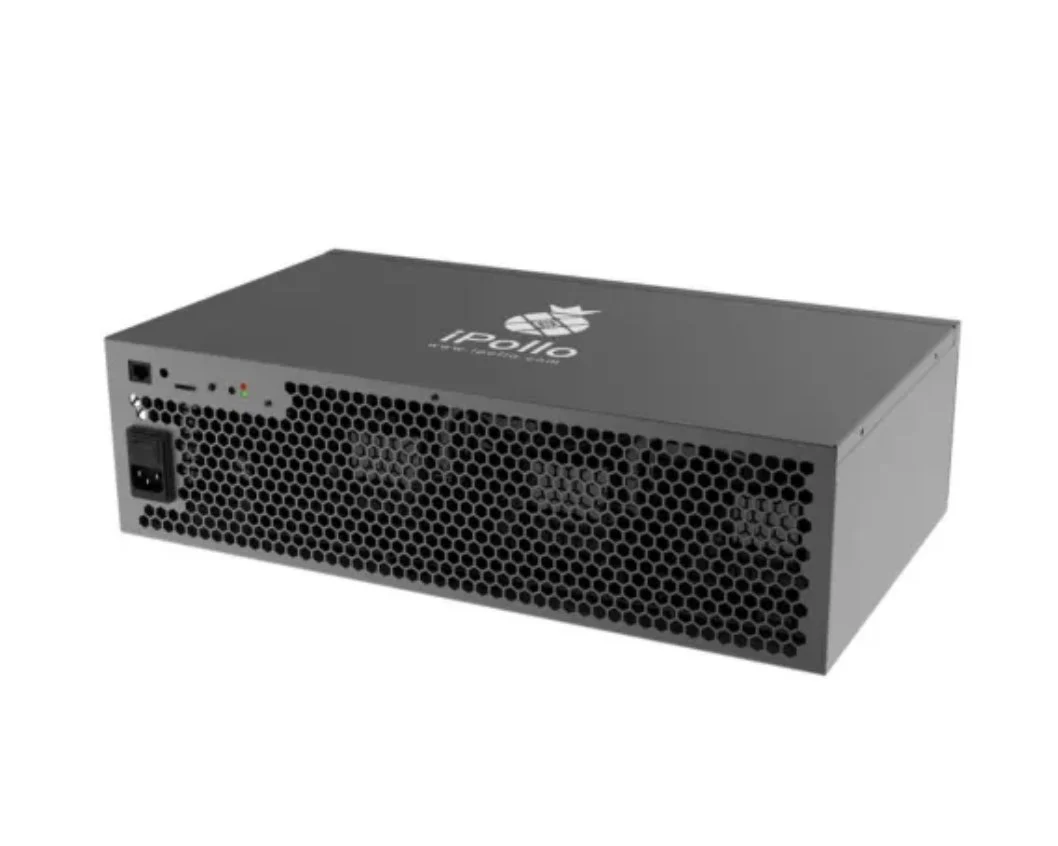
iPollo V2H (3.8Gh)
iPollo
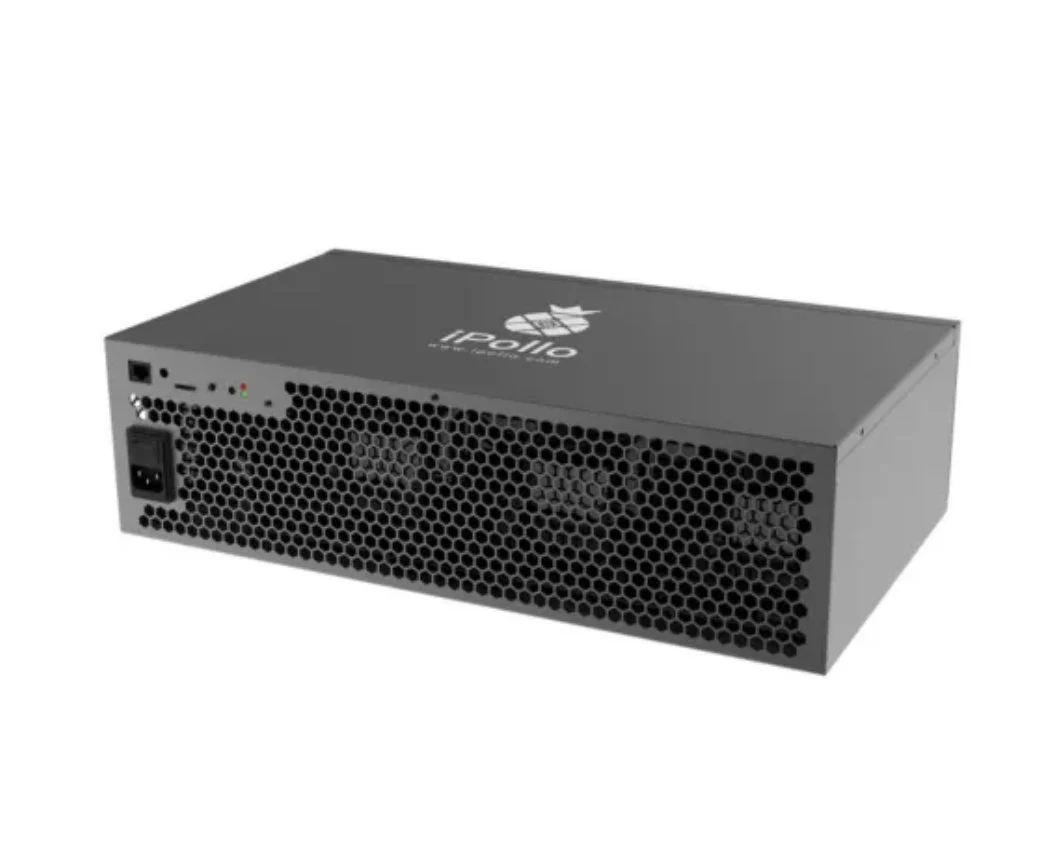
iPollo V2H (3.7Gh)
iPollo
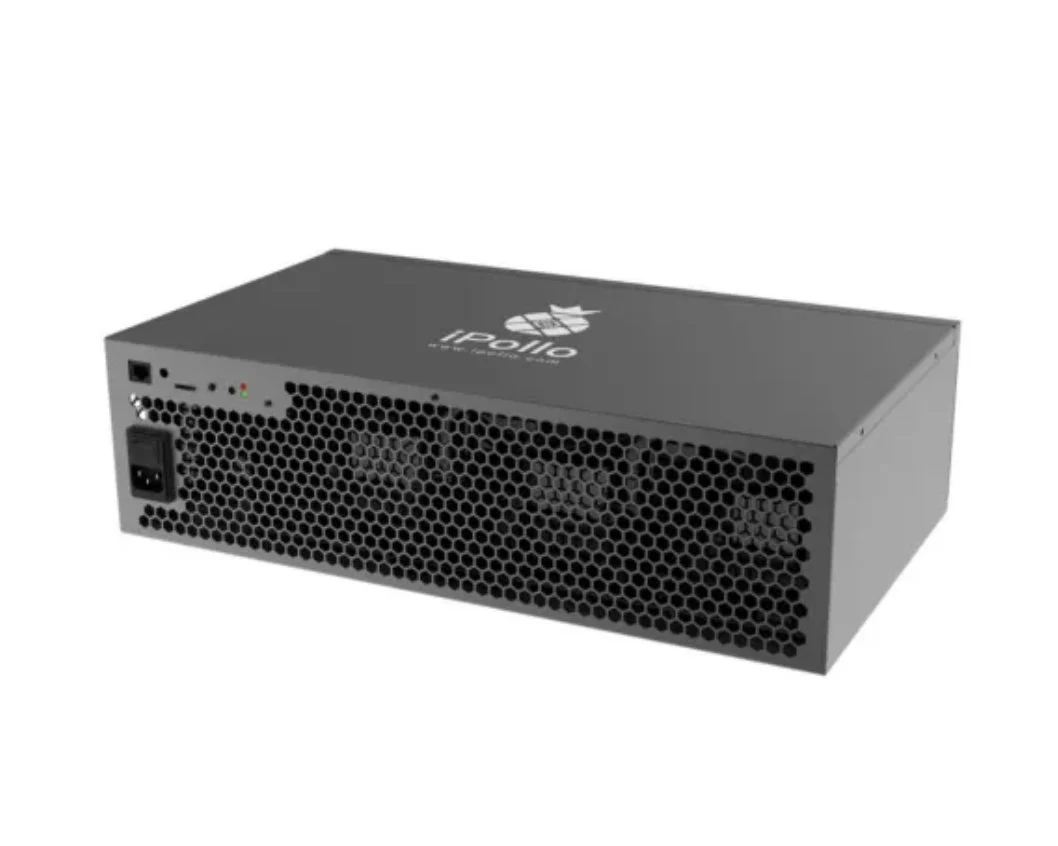
iPollo V2H (3.6Gh)
iPollo
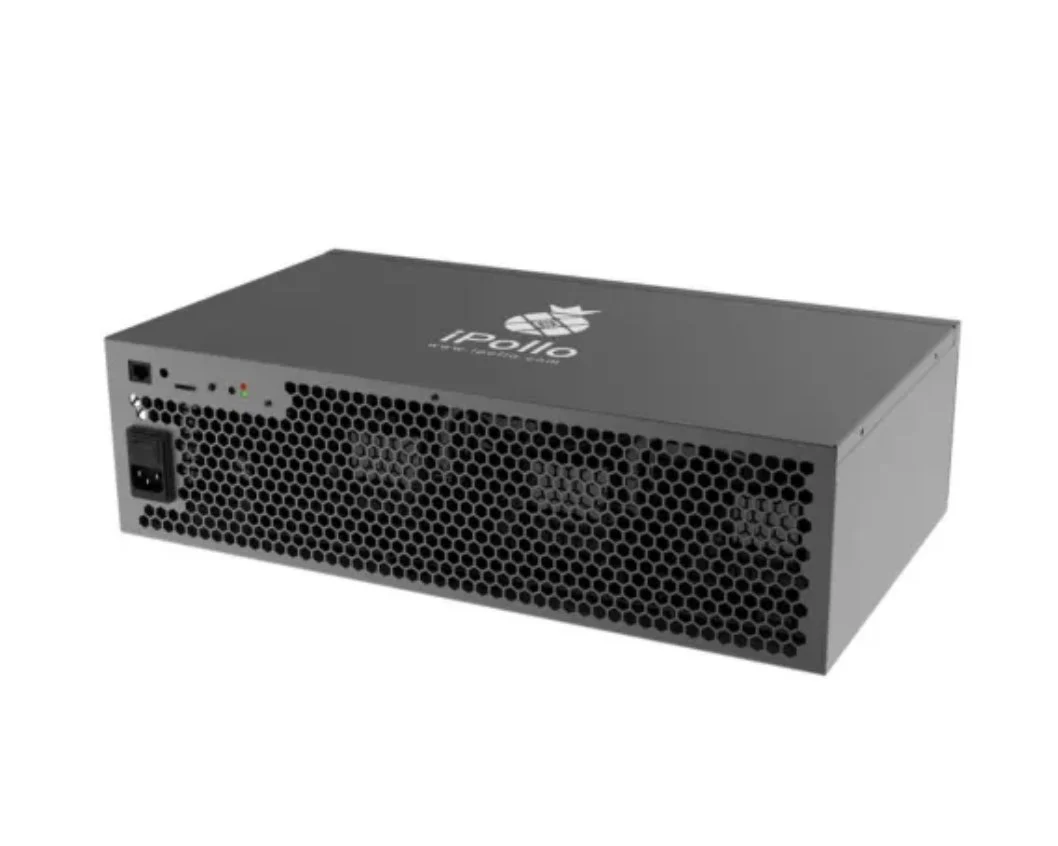
iPollo V2H (3.5Gh)
iPollo
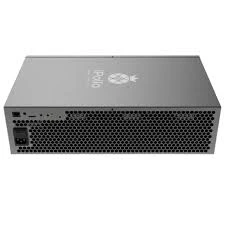
iPollo V2H (3.4Gh)
iPollo

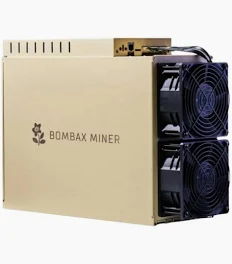
Bombax Miner EZ100-C (4Gh)
Bombax
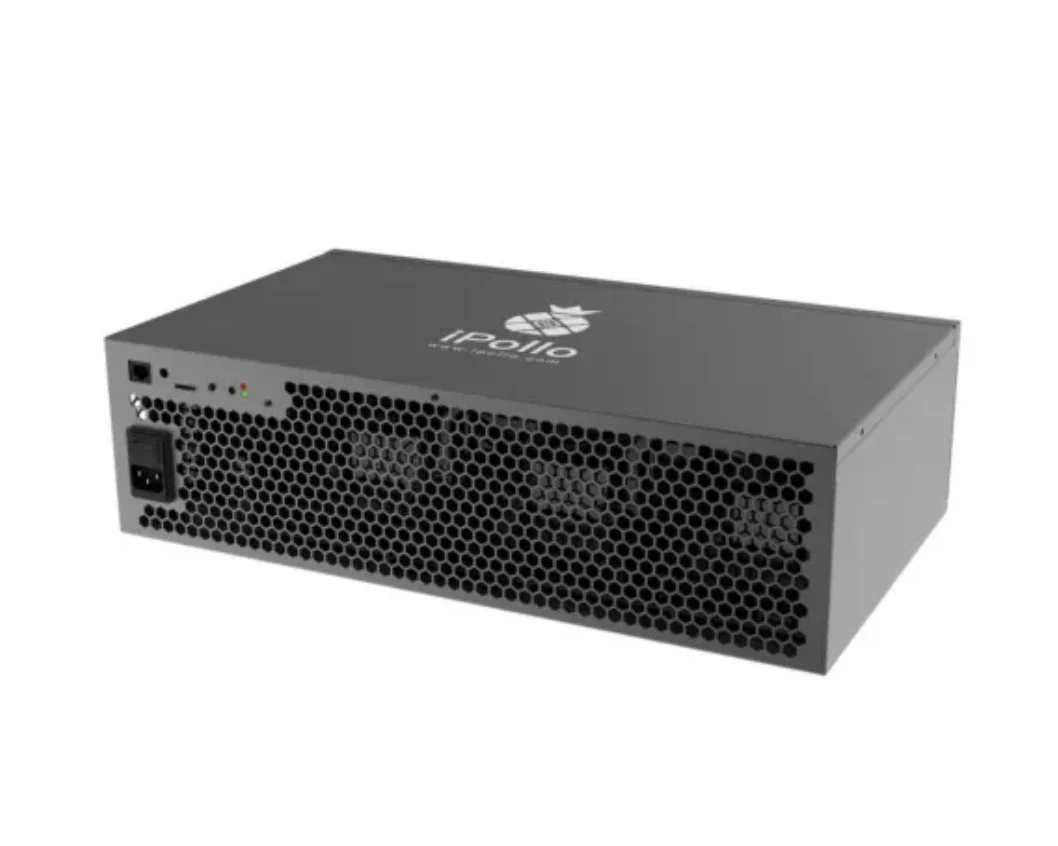
iPollo V2H (3.3Gh)
iPollo
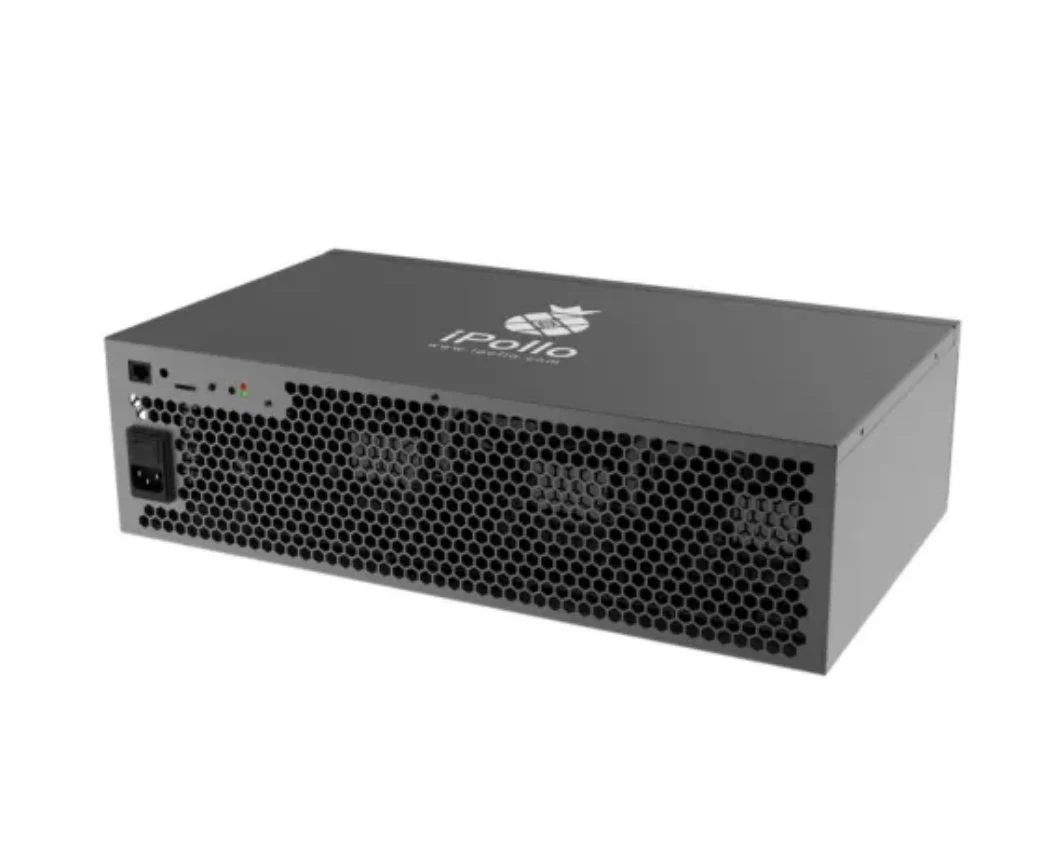
iPollo V2H (3.2Gh)
iPollo
Best ASIC Miners for ETC
Every miner listed here is capable of mining ETC on the appropriate algorithm. Sort by daily net profit to find the most profitable ETC miner at your electricity rate, or filter by brand and stock to narrow the list.
How to pick the best ETC miner
- Rank by daily net profit at your real electricity rate, not raw hashrate — efficiency decides ROI.
- Factor in ETC network difficulty trend and expected price volatility when estimating payback.
- Check stock status: in-stock miners ship in 1–3 business days; back-ordered units take 2–4 weeks.
- Ask about hosting if home electricity is above $0.08/kWh — managed hosting often flips marginal miners back into profit.
Frequently Asked Questions
What is the best ETC miner to buy?
The best ETC miner depends on your electricity rate. The table above sorts every ETC-capable ASIC by live daily net profit — the top row is currently the most profitable choice given your rate input.
Is ETC mining still profitable?
ETC mining profitability varies with coin price, network difficulty, and your electricity cost. Use the live ranking plus your own electricity rate to see the current net profit for each miner before you buy.
What algorithm does ETC use?
Each miner card shows the algorithm it runs and the coins it can mine. Any ASIC listed on this page supports the ETC algorithm and can be pointed at a ETC pool out of the box.
How does ETC network difficulty affect my ROI?
Rising network difficulty lowers your daily revenue at constant hashrate, extending payback. Our profitability numbers reflect current difficulty — always build in a buffer for expected difficulty increases over the payback period.